Toggle light / dark theme

U.S. Eyes Building Nuclear Power Plants on Mars, the Moon

“Small nuclear reactors can provide the power capability necessary for space exploration missions of interest to the Federal government,” the Energy Department wrote in the notice published Friday.

The Energy Department, NASA and Battelle Energy Alliance, the U.S. contractor that manages the Idaho National Laboratory, plan to hold a government-industry webcast technical meeting in August concerning expectations for the program.

The plan has two phases. The first is developing a reactor design. The second is building a test reactor, a second reactor be sent to the moon, and developing a flight system and lander that can transport the reactor to the moon. The goal is to have a reactor, flight system and lander ready to go by the end of 2026.
Using Nuclear Fusion to Help Fuel the World

This article is the first in a series of installments examining the potential of different energy initiatives and types.

If you’re reading this article, chances are, you’re living in a first-world country. You probably have access to modern technology, whether it be your cell phone, laptop, or even central heating system.

NASA’s ‘Robot Hotel’ Gets Its Occupants

Storage is just as important aboard the International Space Station as it is on Earth. While the space station is about the size of a football field, the living space inside is much smaller than that. Just as you wouldn’t store garden tools in a house when you could store them in a shed outside, astronauts now have a “housing unit” in which they can store tools for use on the exterior of the space station.

On Dec. 5, 2019, a protective storage unit for robotic tools called Robotic Tool Stowage (RiTS) was among the items launched to station as part of SpaceX’s 19th commercial resupply services mission for NASA. As part of a spacewalk on July 21, NASA astronauts Robert Behnken and Chris Cassidy installed the “robot hotel” where the tools are stored to the station’s Mobile Base System (MBS), where it will remain a permanent fixture. The MBS is a moveable platform that provides power to the external robots. This special location allows RiTS to traverse around the station alongside a robot that will use the tools it stores.

exterior view of portion of ISS, with blue-hued Earth in background

Hurricane Douglas, the strongest storm on the planet, expected to weaken as it moves toward Hawaii

Douglas is currently a Category 3 hurricane with sustained winds of 115 mph that extend 25 miles from the center of the storm. A major hurricane is any storm ranked Category 3 — sustained winds 111 to 129 mph — or stronger.

Dogs Can Sniff Out Coronavirus Infections, German Study Shows

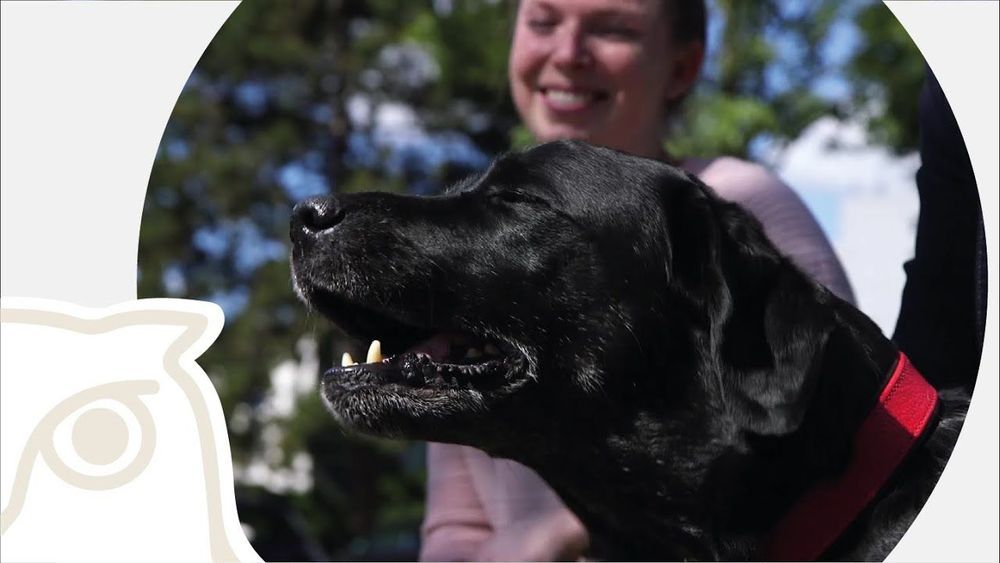
Dogs with a few days of training are capable of identifying people infected with the coronavirus, according to a study by a German veterinary university.

Eight dogs from Germany’s armed forces were trained for only a week and were able to accurately identify the virus with a 94% success rate, according to a pilot project led by the University of Veterinary Medicine Hannover. Researchers challenged the dogs to sniff out Covid-19 in the saliva of more than 1,000 healthy and infected people.

Neurons are genetically programmed to have long lives

When our neurons—the principle cells of the brain—die, so do we.

Most neurons are created during and have no “backup” after birth. Researchers have generally believed that their survival is determined nearly extrinsically, or by outside forces, such as the tissues and that neurons supply with .

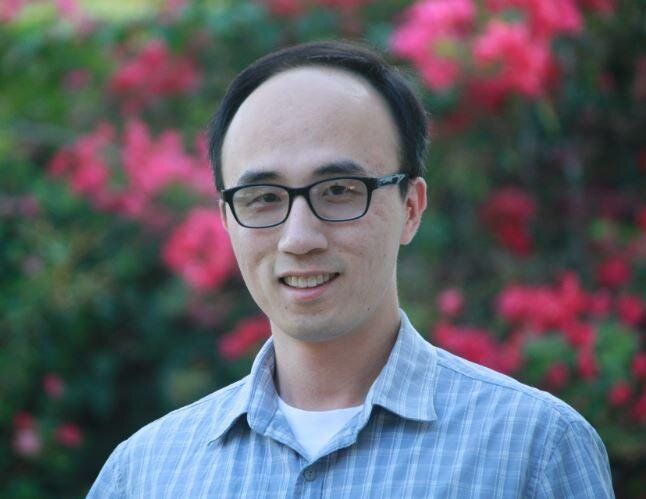
A research team led by Sika Zheng, a biomedical scientist at the University of California, Riverside, has challenged this notion and reports the continuous survival of neurons is also intrinsically programmed during development.

Machine learning reveals recipe for building artificial proteins

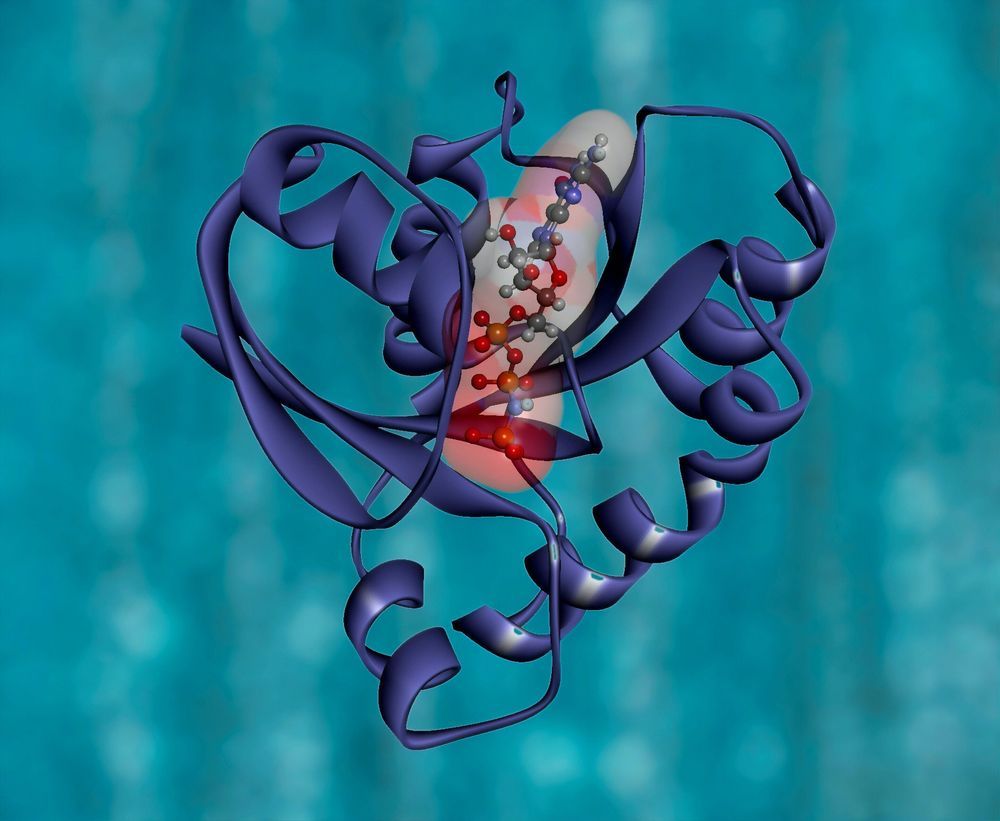
Proteins are essential to the life of cells, carrying out complex tasks and catalyzing chemical reactions. Scientists and engineers have long sought to harness this power by designing artificial proteins that can perform new tasks, like treat disease, capture carbon, or harvest energy, but many of the processes designed to create such proteins are slow and complex, with a high failure rate.

In a breakthrough that could have implications across the healthcare, agriculture, and energy sectors, a team lead by researchers in the Pritzker School of Molecular Engineering (PME) at the University of Chicago has developed an -led process that uses big data to design new proteins.

By developing machine-learning models that can review protein information culled from genome databases, the researchers found relatively simple design rules for building . When the team constructed these artificial proteins in the lab, they found that they performed chemistries so well that they rivaled those found in nature.

Ford reveals an electric Mustang Mach-E SUV with 1,400 horsepower

Looking to explore how far it can push the limits of electric vehicle performance, Ford has created a version of its Mustang Mach-E SUV with seven electric motors that can produce a total of up to 1,400 horsepower.

The Mach-E 1400 is a one-of-a-kind demonstration car that was created to show the potential of all-electric vehicles and to help engineers research ways to increase their power, said Mark Rushbrook, head of Ford Performance Motorsports. The Mach-E 1400 is based on Mustang’s Mach-E SUV, which Ford will begin selling next year. The street legal Mach-E GT SUV will produce 459 horsepower from two electric motors.